Tuesday, July 2, 2024

Navigating Ironmaking in Modern Steel Production

 Navigating Ironmaking in Modern Steel Production


Web:www.timothyholding.com


Steel is a foundational material in modern industry, essential for construction, manufacturing, transportation, and countless other applications. At the heart of steel production lies the intricate process of ironmaking, where iron ore is transformed into molten iron and eventually alloyed to create various grades of steel. This article delves into the journey from ore to alloy, exploring the technologies, challenges, and innovations that shape modern ironmaking.

1. Iron Ore: Source of Steel's Strength

Iron ore, primarily hematite and magnetite, serves as the raw material for ironmaking. Mines worldwide extract these ores, which are then processed to remove impurities and enhance iron content. Advanced beneficiation techniques such as magnetic separation and froth flotation ensure that high-grade iron ore feeds into the ironmaking process, optimizing efficiency and product quality.

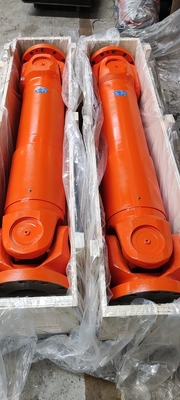
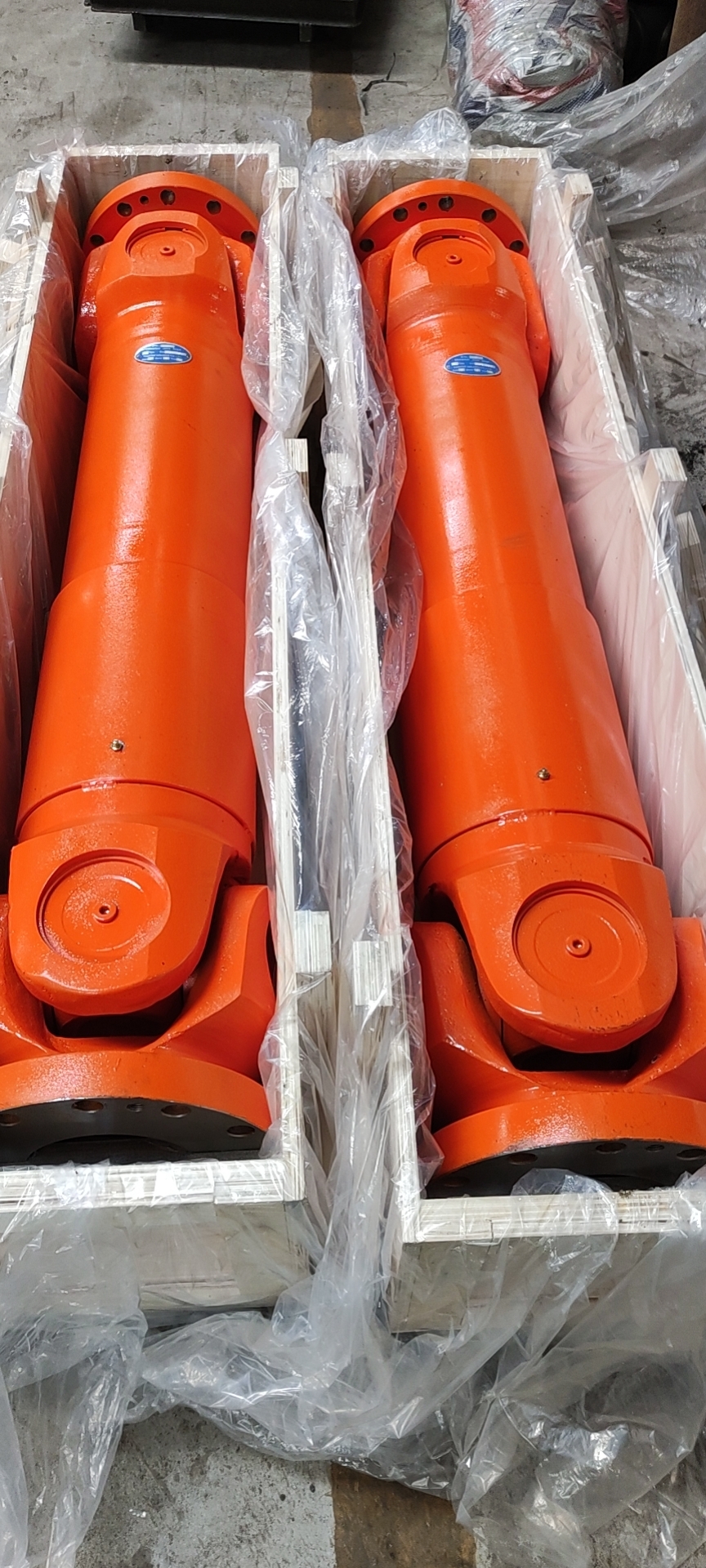
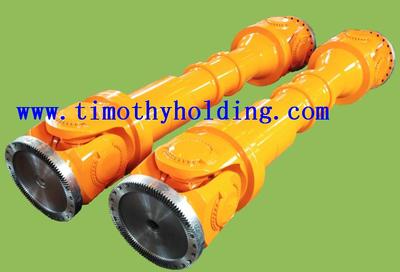
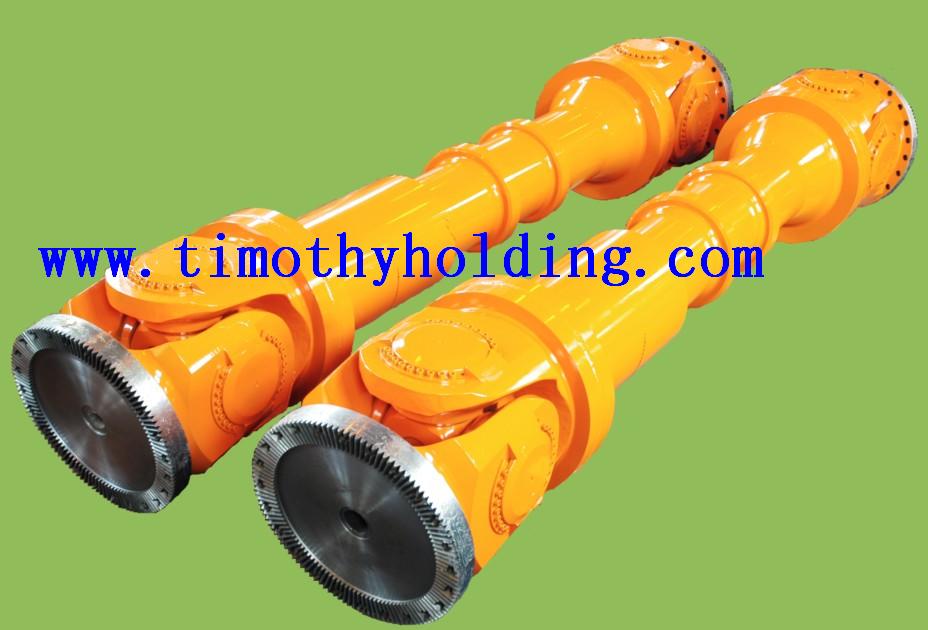
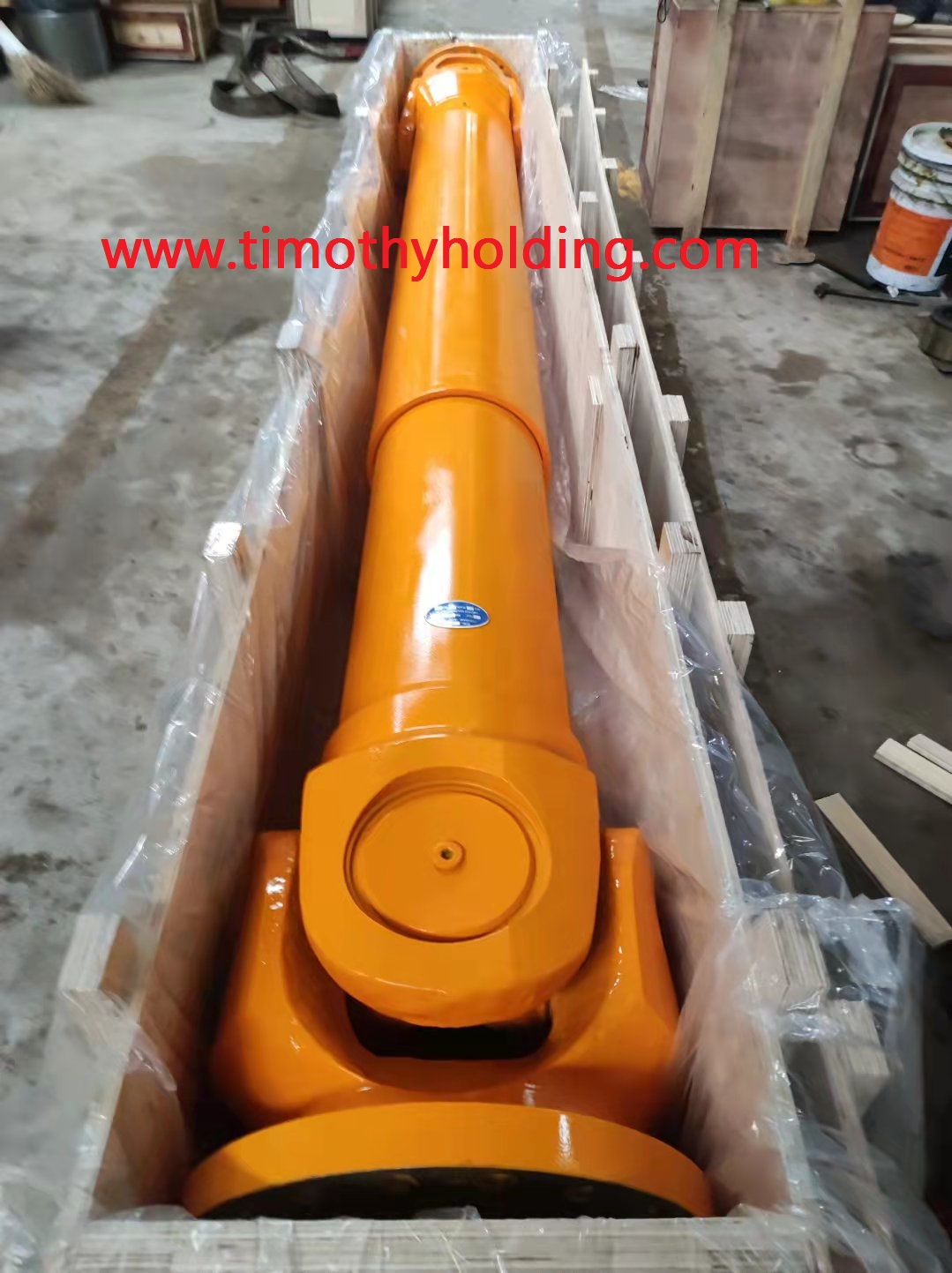
cardan drive shaft used in rolling mills.jpg

2. Blast Furnace: Ancient Innovation, Modern Application

The blast furnace stands as a symbol of traditional ironmaking, dating back centuries. In this process, iron ore, coke (a form of carbon), and limestone are fed into the furnace, where intense heat and chemical reactions extract molten iron. Innovations in blast furnace technology, including hot blast systems, oxygen enrichment, and refractory materials, have significantly improved productivity and environmental performance.

3. Direct Reduction: Pioneering Pathways to Iron

Direct reduction technologies offer an alternative route to ironmaking, bypassing the conventional blast furnace. Processes like the Midrex and HYL/Energiron systems utilize natural gas or hydrogen to reduce iron ore pellets or lumps, yielding direct reduced iron (DRI) or sponge iron. These methods, known for their energy efficiency and lower emissions, play a vital role in modern steel production, particularly in regions with abundant natural gas resources.

4. Electric Arc Furnace (EAF): Melting and Mixing

In tandem with blast furnaces and direct reduction plants, electric arc furnaces play a crucial role in steelmaking. Scrap metal, DRI, and other metallic inputs are melted in the EAF using high-powered electric arcs. This process not only recycles steel scrap but also allows for precise alloying and customization, catering to diverse industry needs. Advancements in EAF technology, such as continuous charging systems and process automation, enhance operational flexibility and sustainabilit


5. Alloying: Fine-Tuning Steel's Properties

Alloying transforms molten iron into steel with specific mechanical, chemical, and thermal properties. Alloying elements like carbon, manganese, chromium, and nickel are added in controlled quantities to achieve desired steel grades, ranging from mild to high-strength, corrosion-resistant alloys. Advanced alloy design, facilitated by computational modeling and metallurgical expertise, optimizes steel performance for diverse applications, from automotive components to aerospace structures.


6. Continuous Casting: Shaping the Future of Steel

The final stage of ironmaking involves casting molten steel into semi-finished products like billets, slabs, or blooms. Continuous casting technology revolutionized steel production by enabling continuous, high-speed casting processes. Mold design innovations, electromagnetic stirring, and online quality monitoring ensure uniformity and quality in cast products, supporting downstream processing and reducing material waste.

7. Environmental Considerations: Balancing Progress and Sustainability

Ironmaking and steel production are energy-intensive processes with significant environmental footprints. Industry stakeholders are increasingly focused on mitigating emissions, conserving resources, and adopting cleaner technologies. Initiatives like carbon capture and utilization (CCU), hydrogen-based ironmaking, and circular economy practices (e.g., scrap recycling) are driving sustainability efforts across the iron and steel sector, aligning with global climate goals.

8. Digitalization and Automation: Ironmaking in the Industry 4.0 Era

The integration of digital technologies and automation is reshaping ironmaking operations. From advanced process control systems to predictive maintenance algorithms, digital solutions enhance efficiency, safety, and decision-making in steel plants. Real-time data analytics, coupled with artificial intelligence (AI) and machine learning, optimize process parameters, minimize downtime, and drive continuous improvement in ironmaking processes.


Contact Name:August

Mobile Phone:+86-13758897904

E :august@timothyholding.com

www.timothyholding.com

Sunday, June 30, 2024

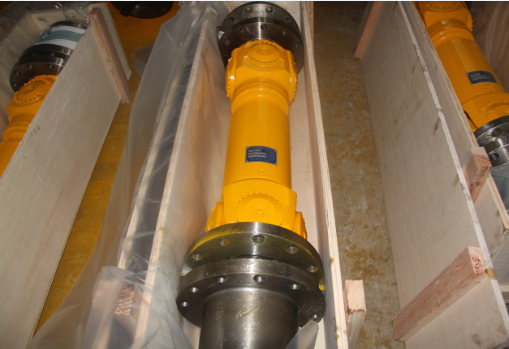
Universal Spindles For Pipe Mills

 Universal Spindles For Pipe Mills


Universal spindle used in pipe mills


Material:35CrMo and 20CrMnTi


SWC225 cardan shaft

SWC250 Universal joint shaft


Contact Name:August

Mobile Phone:+86-13758897904

E :august@timothyholding.com

Web:www.timothyholding.com
Address:55# Jinshi Road ,Lecheng Industrial Park,Yueqing City,Zhejiang provice,China

Friday, June 28, 2024

Cardan Shafts for Continuous Rolling Mill

 Cardan Shafts for Continuous Rolling Mill


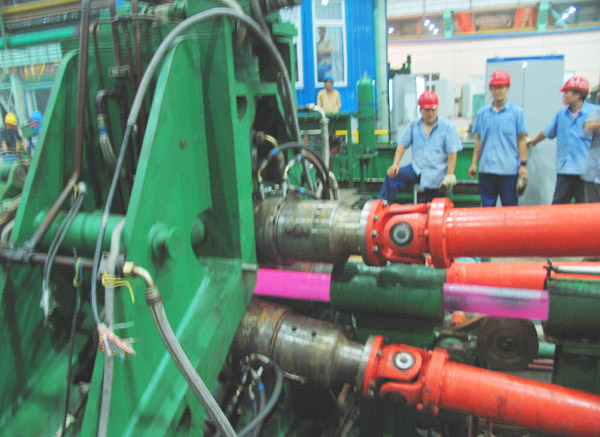
Universal joint shaft/Industrial cardan drive shaft used in Three-roll Continuous Rolling Mill

Material:35CrMo and 20CrMnTi


Contact Name:August

Mobile Phone:+86-13758897904

E :august@timothyholding.com

Web:www.timothyholding.com

Address:55# Jinshi Road ,Lecheng Industrial Park,Yueqing City,Zhejiang provice,China

Thursday, June 27, 2024

Cardan Joint Shafts for Steel Making Machinery

 Cardan Joint Shafts for Steel Making Machinery


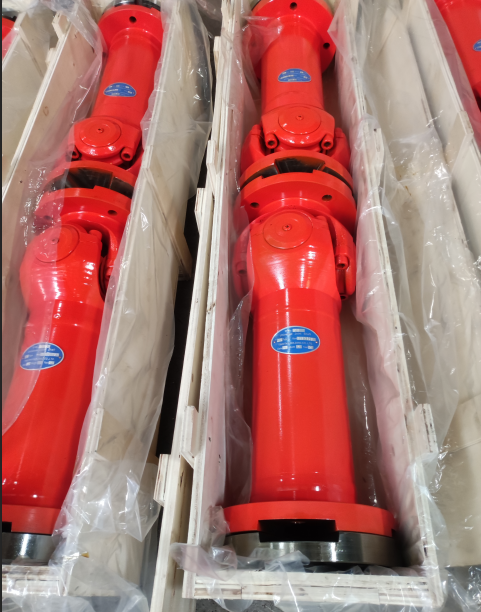
Cardan joint shafts used in steel making machinery


Material:35CrMo and 20CrMnTi


Industrial drive shafts

Propeller shaft


Contact Name:August

Mobile Phone:+86-13758897904

E :august@timothyholding.com

Web:www.timothyholding.com
Address:55# Jinshi Road ,Lecheng Industrial Park,Yueqing City,Zhejiang provice,China

Monday, June 10, 2024

Thursday, June 6, 2024

SWC285BF Cardan Shaft


SWC285BF Cardan Shaft

SWC285BF Cardan Shaft


Material:35CrMo and 20CrMnTi


Largely used in rolling mills,Pipe straighteners,Steel mill,tube mill,Continuous casting machinery,Paper machines ,Piercing mills,Bridge cranes,Steckel mill,Punchers,Roller conveyorRotating furnace,Mining machinery and other heavy duty machinery .


https://www.timothyholding.com/SWC285-BF-Cardan-Shaft.html


SWC-BF285-cardan saft.jpg


Contact Name:August

Mobile Phone:+86-13758897904

E :august@timothyholding.com

Web:www.timothyholding.com
Address:55# Jinshi Road ,Lecheng Industrial Park,Yueqing City,Zhejiang provice,China

Industrial cardan shafts


Industrial cardan shafts

Industrial cardan shaft


Material:35CrMo and 20CrMnTi


Largely used in rolling mills,Pipe straighteners,Steel mill,tube mill,Continuous casting machinery,Paper machines ,Piercing mills,Bridge cranes,Steckel mill,Punchers,Roller conveyorRotating furnace,Mining machinery and other heavy duty machinery .

https://www.timothyholding.com/industrial-cardan-shafts.html

Industrial propeller shaft.jpg

Nuclear Power Plant

Puncher


Contact Name:August

Mobile Phone:+86-13758897904

E :august@timothyholding.com

https://www.timothyholding.com


Wednesday, May 22, 2024

Manufacturing Process of Steel Mill Rolls


Manufacturing Process of Steel Mill Rolls

文章附图

Manufacturing Process of Steel Mill Rolls


The manufacturing process of steel mill rolls involves several steps, each aimed at producing rolls with the required properties and characteristics. The process starts with the selection of suitable materials, followed by the shaping and heat treatment of the rolls.

swc cardan shaft.jpg

Material Selection: The choice of material depends on factors such as the type of rolling process, the operating conditions, and the desired roll performance. Common materials used for steel mill rolls include forged steel, cast steel, and tungsten carbide. Each material has its advantages and limitations, and the selection is made based on the specific requirements of the application.


Shaping: Once the material is selected, it is shaped into the desired roll form. This can be done through various methods, including forging, casting, or machining. Forging involves shaping the material through the application of heat and pressure, resulting in a strong and durable roll. Casting, on the other hand, involves pouring molten metal into a mold to create the desired shape. Machining is used to refine the shape and dimensions of the roll, ensuring its accuracy and precision.

Drive shaft coupling.png

Heat Treatment: Heat treatment is an essential step in the manufacturing process, as it helps enhance the mechanical properties of the roll. The heat treatment process involves heating the roll to a specific temperature and then cooling it rapidly or slowly, depending on the desired properties. Heat treatment can improve the hardness, strength, and wear resistance of the roll, ensuring its longevity and performance

The manufacturing process of steel mill rolls requires precision and expertise to ensure the production of high-quality rolls that can withstand the demanding conditions of the steel industry.


Contact Name:August

Mobile Phone:+86-13758897904

E :august@timothyholding.com

Web:www.timothyholding.com

Address:55# Jinshi Road ,Lecheng Industrial Park,Yueqing City,Zhejiang provice,China

Monday, May 20, 2024

Types of Steel Mill Rolls


Types of Steel Mill Rolls

文章附图

Types of Steel Mill Rolls


Steel mill rolls come in various types, each designed for specific applications and processes. The choice of roll type depends on factors such as the type of steel being processed, the desired product characteristics, and the operating conditions in the steel mill.

Universal joint shafts.jpg

Work Rolls: Work rolls are the primary rolls used in the rolling process. They come in different configurations, such as flat, grooved, or profiled, depending on the requirements of the specific rolling operation. Work rolls are responsible for applying pressure to the steel, shaping it into the desired form, and reducing its thickness.


Back-up Rolls: Back-up rolls provide support to the work rolls and help maintain their shape and position during the rolling process. These rolls are larger in size and often made from materials with high strength and toughness to withstand the load and pressure applied by the work rolls.


Intermediate Rolls: Intermediate rolls are used in certain rolling operations to support the work rolls and ensure proper alignment. These rolls are positioned between the work rolls and backup rolls and help distribute the pressure evenly across the work rolls.

SWP cardan shaft.png

Sendzimir Rolls: Sendzimir rolls, also known as cluster mill rolls, are used in a specific type of rolling mill called a Sendzimir mill. These rolls are characterized by their small diameter and the ability to adjust the roll gap during the rolling process. Sendzimir rolls are commonly used in the production of high-quality steel with precise thickness and surface finish.


Leveler Rolls: Leveler rolls are used in the leveling process, which is a crucial step in achieving the desired flatness and uniform thickness of steel sheets. These rolls apply pressure to the steel as it passes through the leveling machine, correcting any imperfections and ensuring a smooth and even surface.

Each type of steel mill roll serves a specific purpose and contributes to the overall efficiency and quality of the steel manufacturing process. The selection of the right type of roll is essential to optimize production and achieve the desired product characteristics.


Contact Name:August

Mobile Phone:+86-13758897904

E :august@timothyholding.com

Web:www.timothyholding.com

Address:55# Jinshi Road ,Lecheng Industrial Park,Yueqing City,Zhejiang provice,China

11.三辊轧管机-3roll pipe mill.jpg