Showing posts with label steel mill maintenance. Show all posts

Wednesday, May 22, 2024

Manufacturing Process of Steel Mill Rolls
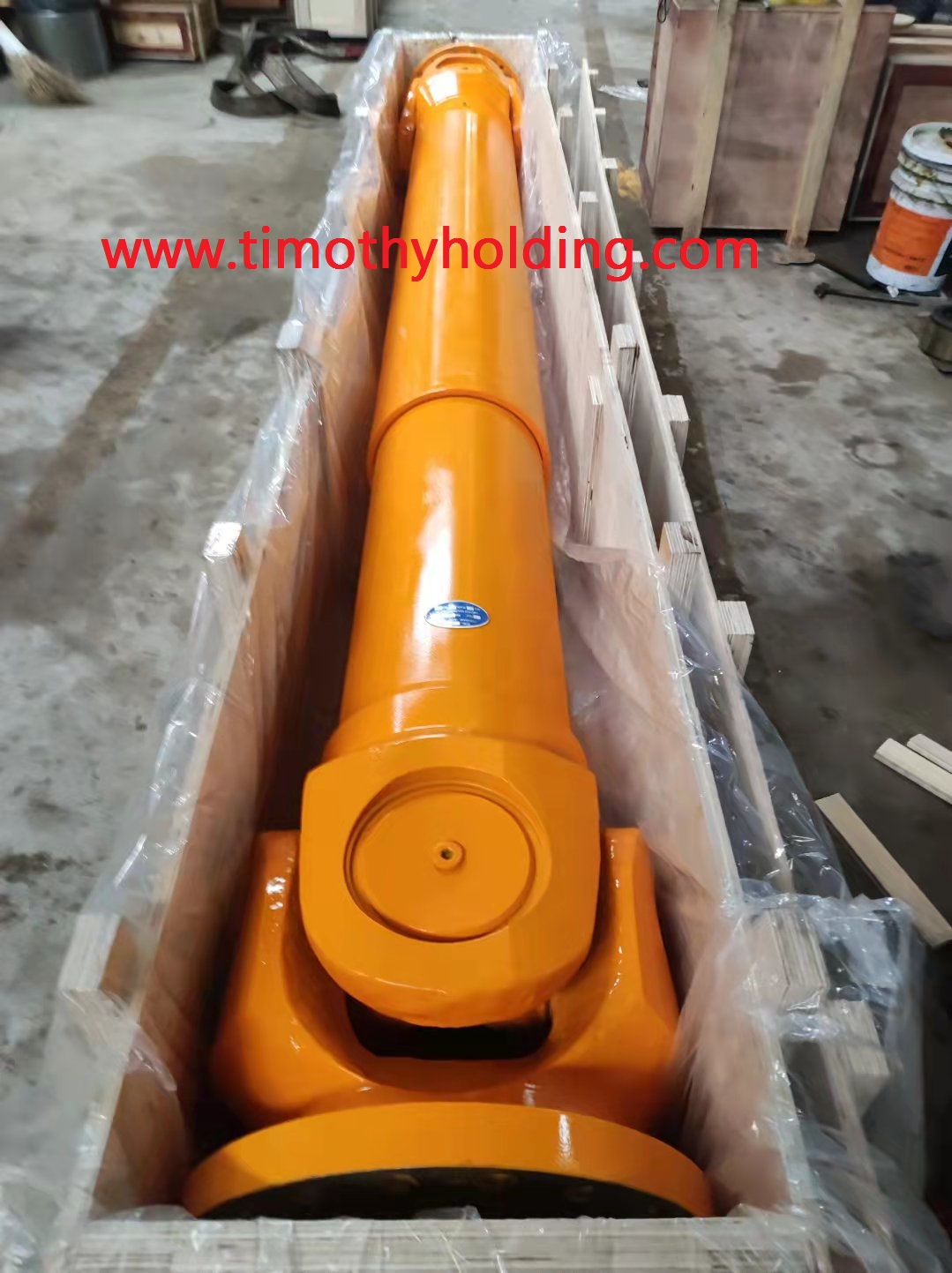
 

Manufacturing Process of Steel Mill Rolls

文章附图

Manufacturing Process of Steel Mill Rolls


The manufacturing process of steel mill rolls involves several steps, each aimed at producing rolls with the required properties and characteristics. The process starts with the selection of suitable materials, followed by the shaping and heat treatment of the rolls.

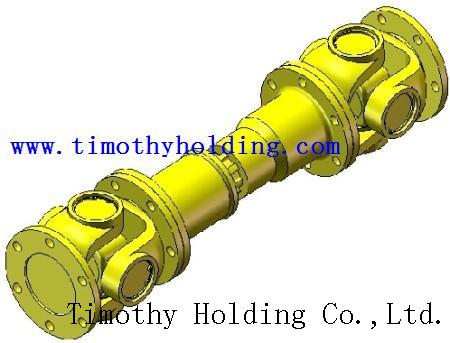
swc cardan shaft.jpg

Material Selection: The choice of material depends on factors such as the type of rolling process, the operating conditions, and the desired roll performance. Common materials used for steel mill rolls include forged steel, cast steel, and tungsten carbide. Each material has its advantages and limitations, and the selection is made based on the specific requirements of the application.


Shaping: Once the material is selected, it is shaped into the desired roll form. This can be done through various methods, including forging, casting, or machining. Forging involves shaping the material through the application of heat and pressure, resulting in a strong and durable roll. Casting, on the other hand, involves pouring molten metal into a mold to create the desired shape. Machining is used to refine the shape and dimensions of the roll, ensuring its accuracy and precision.
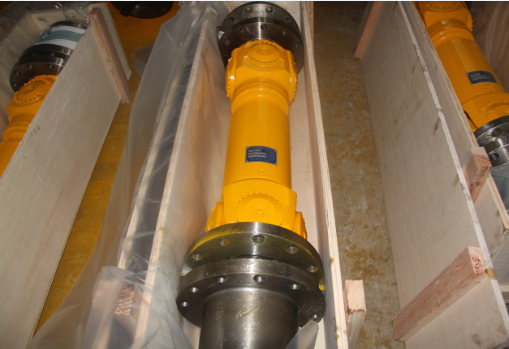
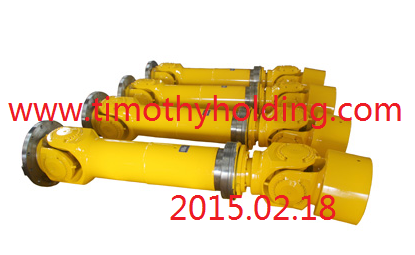
Drive shaft coupling.png

Heat Treatment: Heat treatment is an essential step in the manufacturing process, as it helps enhance the mechanical properties of the roll. The heat treatment process involves heating the roll to a specific temperature and then cooling it rapidly or slowly, depending on the desired properties. Heat treatment can improve the hardness, strength, and wear resistance of the roll, ensuring its longevity and performance

The manufacturing process of steel mill rolls requires precision and expertise to ensure the production of high-quality rolls that can withstand the demanding conditions of the steel industry.


Contact Name:August

Mobile Phone:+86-13758897904

E :august@timothyholding.com

Web:www.timothyholding.com

Address:55# Jinshi Road ,Lecheng Industrial Park,Yueqing City,Zhejiang provice,China

Saturday, May 18, 2024

Advancements in Steel Mill Roll Technology


Advancements in Steel Mill Roll Technology

文章附图

Advancements in Steel Mill Roll Technology


The steel industry is continuously evolving, and advancements in technology have led to the development of innovative solutions and improvements in steel mill roll technology. These advancements aim to enhance the performance, durability, and efficiency of steel mill rolls, further optimizing the steel manufacturing process.

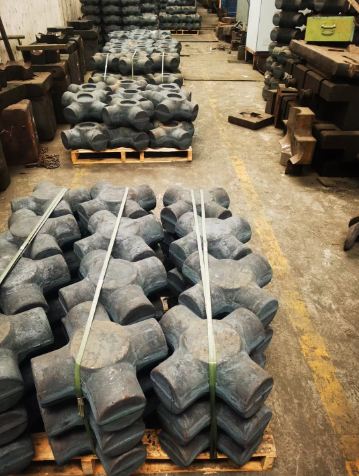
Industrial drive shaft.jpg

Advanced Materials: The development of new materials, such as high-speed steel or composite materials, has expanded the range of options available for steel mill rolls. Advanced materials offer improved properties such as higher hardness, better wear resistance, and increased toughness, allowing for enhanced roll performance and longevity.


Surface Coatings: The application of advanced surface coatings to steel mill rolls has become increasingly common. Coatings such as chrome plating or diamond-like carbon coatings can improve the roll's surface hardness, wear resistance, and corrosion resistance. These coatings help extend the service life of the rolls and enhance their performance in demanding rolling applications.

Roll Design Optimization: Advances in computer-aided design (CAD) and simulation technologies have allowed for the optimization of roll designs. The use of advanced software tools enables engineers to analyze the stresses, strains, and other factors affecting the performance of steel mill rolls. This optimization process helps create rolls with improved strength, durability, and performance.

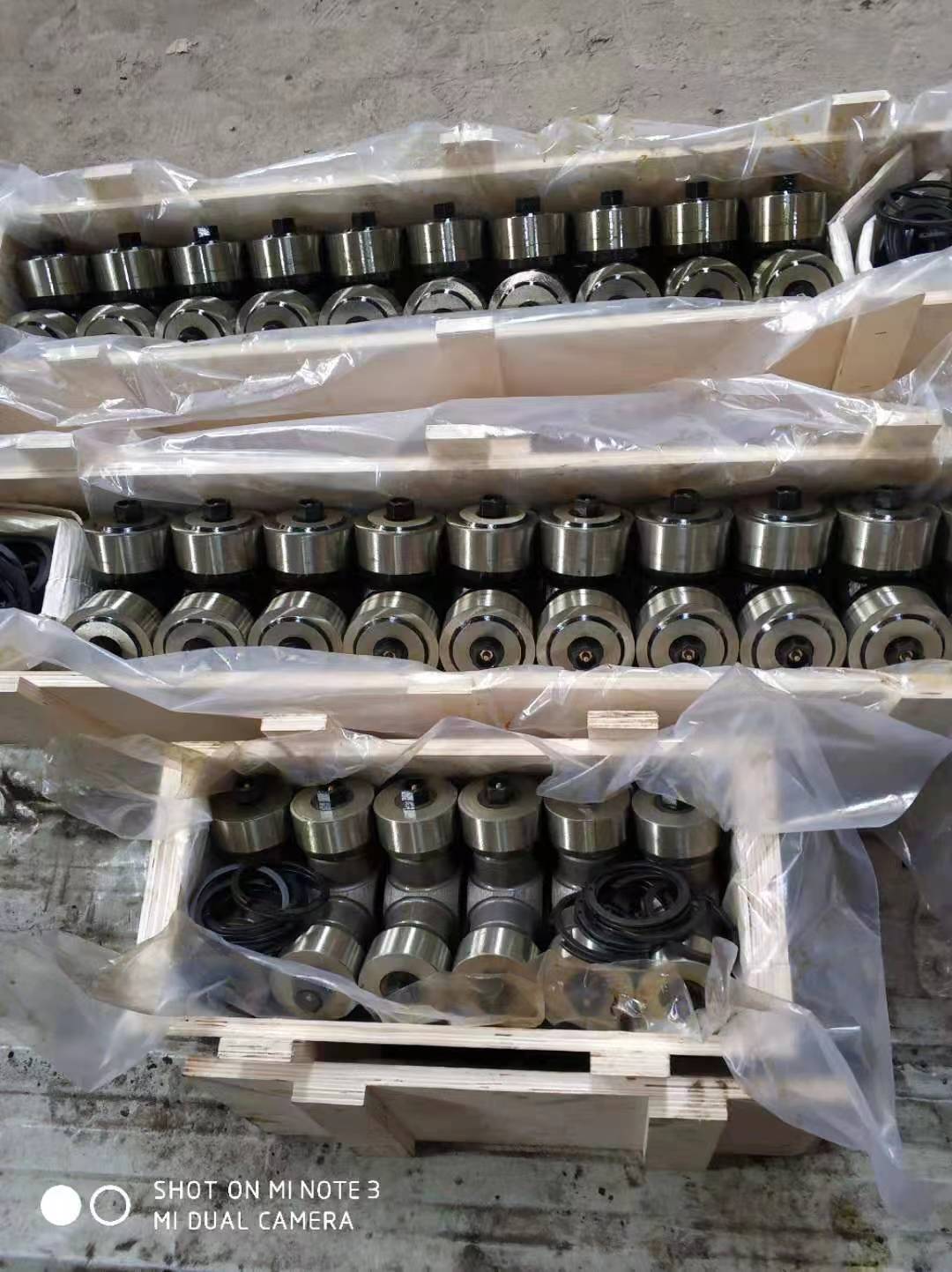
Universal joint couplings.png

Sensor Technology: The integration of sensor technology into steel mill rolls allows for real-time monitoring of various parameters, such as temperature, vibration, or roll alignment. Sensor data can provide valuable insights into the condition of the rolls, allowing for proactive maintenance and timely interventions to prevent issues or failures.


Smart Roll Systems: The concept of smart roll systems is gaining traction in the steel industry. These systems utilize sensors, automation, and data analysis to optimize the performance of steel mill rolls. Smart roll systems can provide real-time information on roll conditions, performance, and maintenance needs, enabling proactive decision-making and improved overall efficiency.


Advancements in steel mill roll technology continue to drive innovation in the steel industry. These advancements contribute to the overall improvement of the steel manufacturing process, ensuring higher productivity, better product quality, and reduced maintenance costs.


Contact Name:August

Mobile Phone:+86-13758897904

E :august@timothyholding.com

https://www.timothyholding.com

Tuesday, May 14, 2024

Maintenance and Care for Steel Mill Rolls


Maintenance and Care for Steel Mill Rolls

文章附图

Maintenance and Care for Steel Mill Rolls


Proper maintenance and care are essential to maximize the performance and lifespan of steel mill rolls. Regular maintenance practices and effective care routines can help prevent issues and extend the service life of the rolls.


Inspections: Regular inspections of steel mill rolls are crucial to identify any signs of wear, damage, or other issues. Inspections should include visual examinations, measurements, and non-destructive testing techniques to assess the condition of the rolls accurately. Early detection of problems allows for timely repairs or replacements, minimizing downtime and maintaining product quality.

U joint 2.png

Cleaning: Cleaning the rolls is an important maintenance practice to remove contaminants and prevent surface degradation. The cleaning process may involve using specialized cleaning agents or equipment to ensure thorough cleaning without causing any damage to the rolls. Regular cleaning helps maintain the surface finish and performance of the rolls.


Lubrication: Proper lubrication of steel mill rolls is essential to reduce friction and wear during the rolling process. Lubricants help minimize the contact between the rolls and the steel, reducing the risk of surface damage and improving the overall performance of the rolls. The choice of lubricant depends on factors such as the roll material, operating conditions, and specific rolling process.


Roll Grinding and Maintenance: Roll grinding is a maintenance practice that involves removing a small amount of material from the roll surface to restore its shape, dimensions, and surface finish. This process helps eliminate any imperfections or damages that may affect the performance of the rolls. Regular roll grinding can improve the lifespan and performance of steel mill rolls.

U joint 2.jpg

Optimized Cooling: Effective roll cooling is crucial to prevent overheating and maintain the desired product characteristics. Optimizing the cooling system involves ensuring proper water flow, temperature control, and distribution across the roll surface. Adequate cooling helps prevent roll surface degradation and extends the service life of the rolls.

By implementing a comprehensive maintenance and care routine, steel mill rolls can perform optimally, resulting in improved productivity, reduced downtime, and enhanced product quality.

Contact Name:August

Mobile Phone:+86-13758897904

E :august@timothyholding.com

https://www.timothyholding.com

Address:55# Jinshi Road ,Lecheng Industrial Park,Yueqing City,Zhejiang provice,China