Drive Shaft Faults and Maintenance
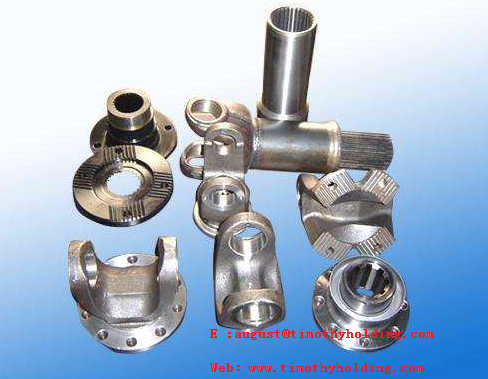
Drive Shaft Faults and Maintenance
The drive shaft is a component often overlooked by car owners; we only realize there is a problem when something goes wrong. For example, severe vehicle vibration, or a "clunk" noise when starting or accelerating sharply—these issues should not be taken lightly. Replacing a drive shaft can cost several thousand yuan in the blink of an eye. Therefore, it is essential to master basic knowledge about the drive shaft and universal joints, and more importantly, learn how to maintain the drive shaft of your vehicle.
What is a Drive Shaft
In other vehicles, the drive shaft is mounted between the transmission and the rear axle differential, with better working conditions. However, it is still susceptible to mud, sand, and water accumulation. Such vehicles typically use non-constant-velocity cross-type universal joints or three-joint drive shafts.
Symptoms of Drive Shaft Faults
Wear, deformation, or loss of dynamic balance in drive shaft components will cause abnormal noise and vibration during driving. If you hear a "clunk" sound when starting or accelerating sharply, accompanied by an obvious feeling of loose parts, the drive shaft components are very likely to be worn loose. If a "buzzing" noise comes from the chassis during driving, which becomes louder as speed increases, the drive shaft should be inspected immediately. If it is truly damaged, replacing a drive shaft at a repair shop will cost at least several thousand yuan.
How to Maintain the Drive Shaft
Since replacing a drive shaft is so expensive, how should we maintain it? In fact, careful daily driving can greatly extend its service life. Car owners should avoid turning the steering wheel while the vehicle is stationary, as this overloads the universal joint joints and shortens their lifespan. Also avoid starting in high gear, suddenly releasing the clutch pedal, overloading, and speeding. If possible, regularly inspect the drive shaft’s operating condition: check whether the drive shaft hanger is securely fastened, whether the support rubber is damaged, and whether the drive shaft is deformed.
Contact Name:August
Mobile Phone:+86-13758897904
Address:55# Jinshi Road ,Lecheng Industrial Park,Yueqing City,Zhejiang Province,China
